Installing an EV charger is often about more than simply choosing a charger and finding somewhere to mount it.
The existing electrical installation needs to be suitable for the additional load, the cable route needs to be carefully planned, and the protection within the property needs to be appropriate for the new circuit.
That's exactly what we considered during a recent installation at a property on Hillbeck Grove, Middleton, Milton Keynes.
The homeowner wanted a Hypervolt Home 3 Pro 7kW tethered EV charger, but the existing consumer unit also needed to be replaced as part of the project.
Starting With the Existing Electrical Installation
Before replacing a consumer unit, we carry out an initial verification of the existing circuits.
This is an important part of the process because we need to identify any pre-existing faults or issues within the wiring that could affect the new consumer unit.
Replacing a consumer unit doesn't automatically fix problems elsewhere in the electrical installation. If an existing circuit has a fault, it's much better to identify it before the new consumer unit is installed rather than discovering it afterwards.
Once the existing circuits had been checked, we could proceed with the consumer unit replacement and EV charger installation.
A New 18th Edition Consumer Unit
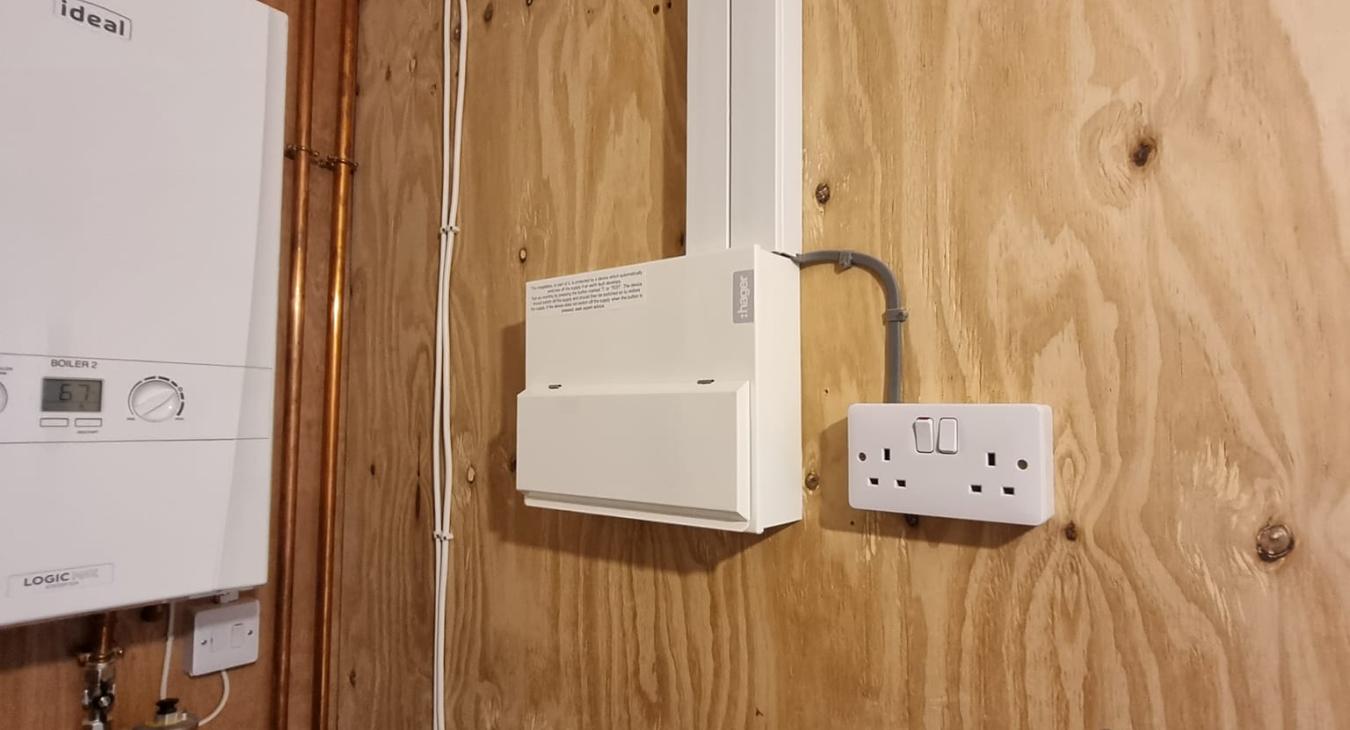
As part of the work, we replaced the existing consumer unit with a new metal 18th Edition consumer unit, incorporating RCBO and Surge Protection Device (SPD) protection.
We also upgraded the meter tails where required.
The new consumer unit provided the appropriate point from which to supply the dedicated EV charger circuit, while also bringing the property's consumer unit up to date.
After the installation, the electrical circuits were fully tested and the appropriate certification completed.
Installing the Hypervolt Home 3 Pro
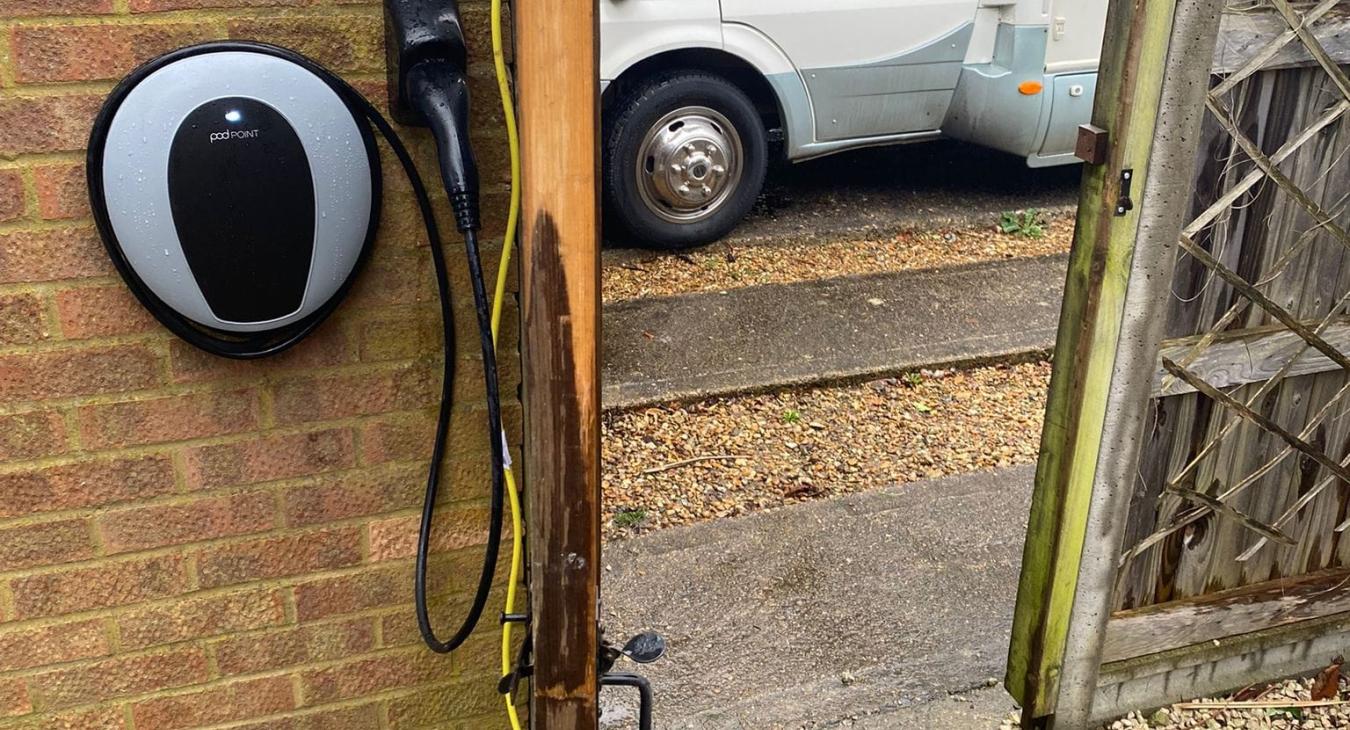
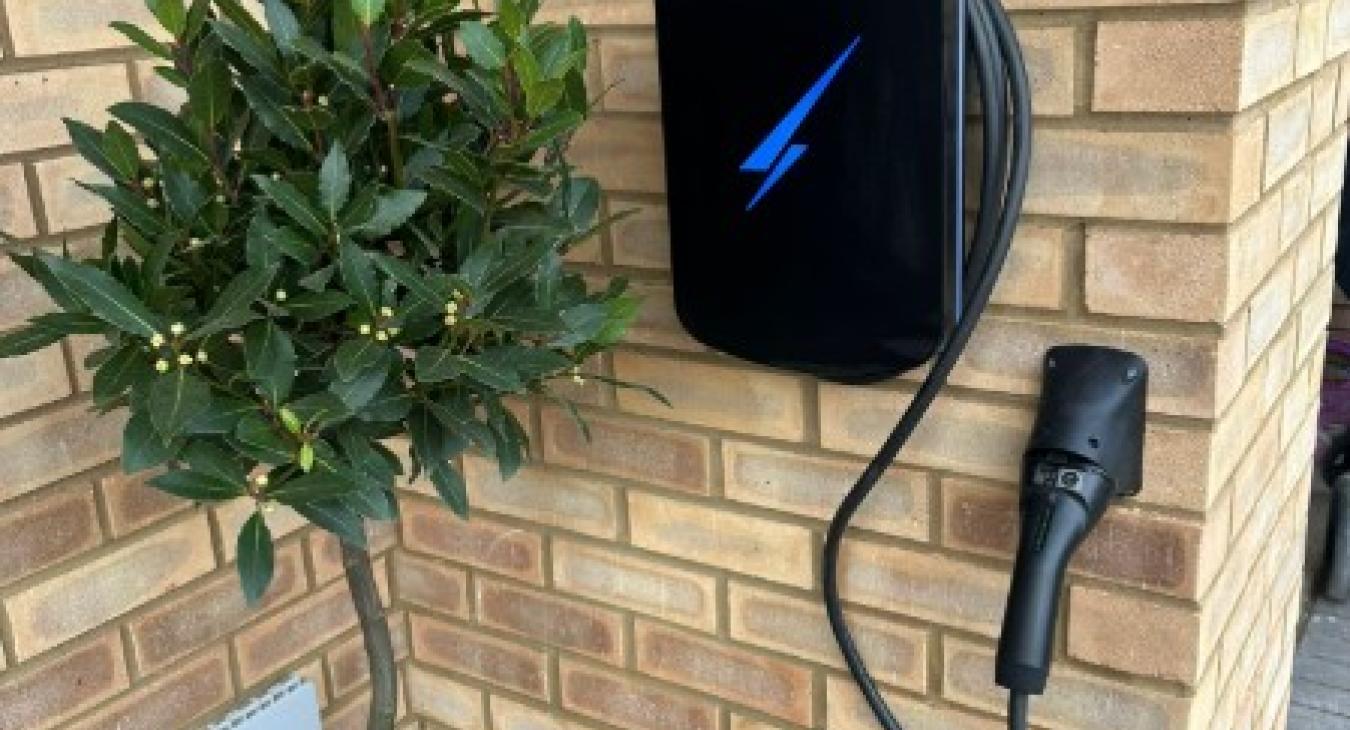
For the EV charging side of the project, we supplied and installed a Hypervolt Home 3 Pro 5m Tethered 7kW EV Charger in black.
The charger needed to be connected back to the new consumer unit, with approximately 22 metres of 4mm² SWA EV Ultra cable required for the installation.
The route wasn't simply a straight run.
The cable needed to be clipped neatly to the wall in suitable areas and buried beneath paving where the route required it.
Planning this route carefully was important to keep the installation tidy while protecting the cable and minimising unnecessary disruption to the property.
Why the Cable Route Matters
With EV charger installations, the visible charger is only one part of the job.
A significant amount of the work happens between the charger and the consumer unit.
The cable route needs to take into account the structure of the property, existing services, access, external surfaces and how the cable will be protected along its journey.
For this installation, the combination of wall-mounted and buried sections allowed us to route the cable appropriately while keeping the finished installation neat.
It's these details that can make a difference between an installation that simply works and one that has been properly planned around the property.
Why We Replace the Consumer Unit Before Adding an EV Charger
An EV charger can place a significant continuous load on a domestic electrical installation.
That means it's important to establish that the existing installation and protective equipment are suitable before adding the new circuit.
In this case, replacing the consumer unit as part of the project allowed us to provide the EV charger with a dedicated supply from a modern consumer unit incorporating appropriate protection.
The initial verification also gave us the opportunity to identify any existing issues before completing the upgrade.
What We Installed
The completed project included:
- Supply and installation of a Hypervolt Home 3 Pro 5m Tethered 7kW EV Charger
- Replacement of the existing consumer unit
- New metal 18th Edition consumer unit
- RCBO protection
- Surge Protection Device (SPD)
- Meter tail upgrade where required
- Approximately 22 metres of 4mm² SWA EV Ultra cable
- Wall-clipped and buried cable sections
- Full testing of the installation
- Certification on completion
The result was a modernised electrical installation with a dedicated supply for the homeowner's new EV charger.
The Importance of Looking at the Whole Installation
This project is a good example of why we don't treat EV charger installations as a one-size-fits-all job.
Sometimes a charger can be installed using the existing electrical infrastructure. In other properties, the consumer unit or other parts of the installation may need attention first.
The right approach depends on what we find during the initial assessment.
By checking the existing circuits, planning the cable route and considering the consumer unit at the same time as the EV charger, we can design the installation around the property rather than trying to force a standard solution onto it.
Thinking About an EV Charger in Milton Keynes?
If you're considering installing an EV charger at your home in Milton Keynes, Middleton or the surrounding area, we'd recommend starting with a professional assessment of your existing electrical installation.
We can look at your consumer unit, discuss where you want the charger installed, assess the cable route and recommend a suitable charging solution.
NRG Electrical Installation Services Ltd.
📞 Call us: 01234 964905
🌐 Visit: NRG Electrical
Whether you need a straightforward EV charger installation or your existing electrical installation needs upgrading first, we'll make sure the work is properly assessed, safely installed, fully tested and ready for use.