As electric vehicles become more common across Bedfordshire, more homeowners are switching to home charging. But installing an EV charger isn’t simply a case of mounting a unit on the wall and connecting a cable. Every property is different, and a safe, reliable installation starts with understanding the home’s existing electrical system.
A recent project in Plovers Field, Sandy, is a great example of why we always begin with a proper site survey before recommending a charging solution.
A Homeowner Looking for the Right Advice
Earlier this June, we were contacted by a homeowner in Sandy who wanted the convenience of charging their electric vehicle at home. Rather than asking for a specific charger, they wanted honest advice on which option would best suit their property and future needs.
Following our usual process, we arranged a site visit to assess the installation and discuss where the charger would be used on a day-to-day basis.
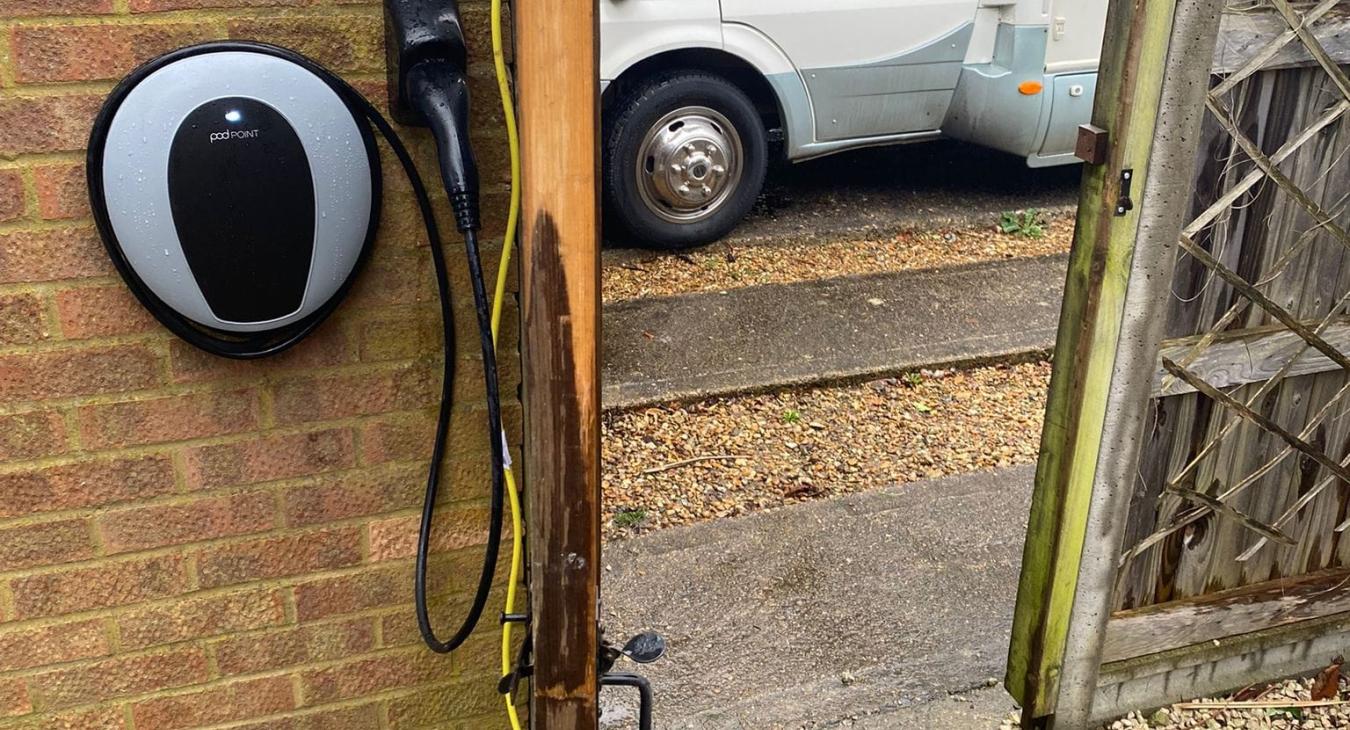
The customer wanted the charger installed on the garage wall, just inside the double gates leading into the rear garden, making it easy to plug in whenever the vehicle was parked.
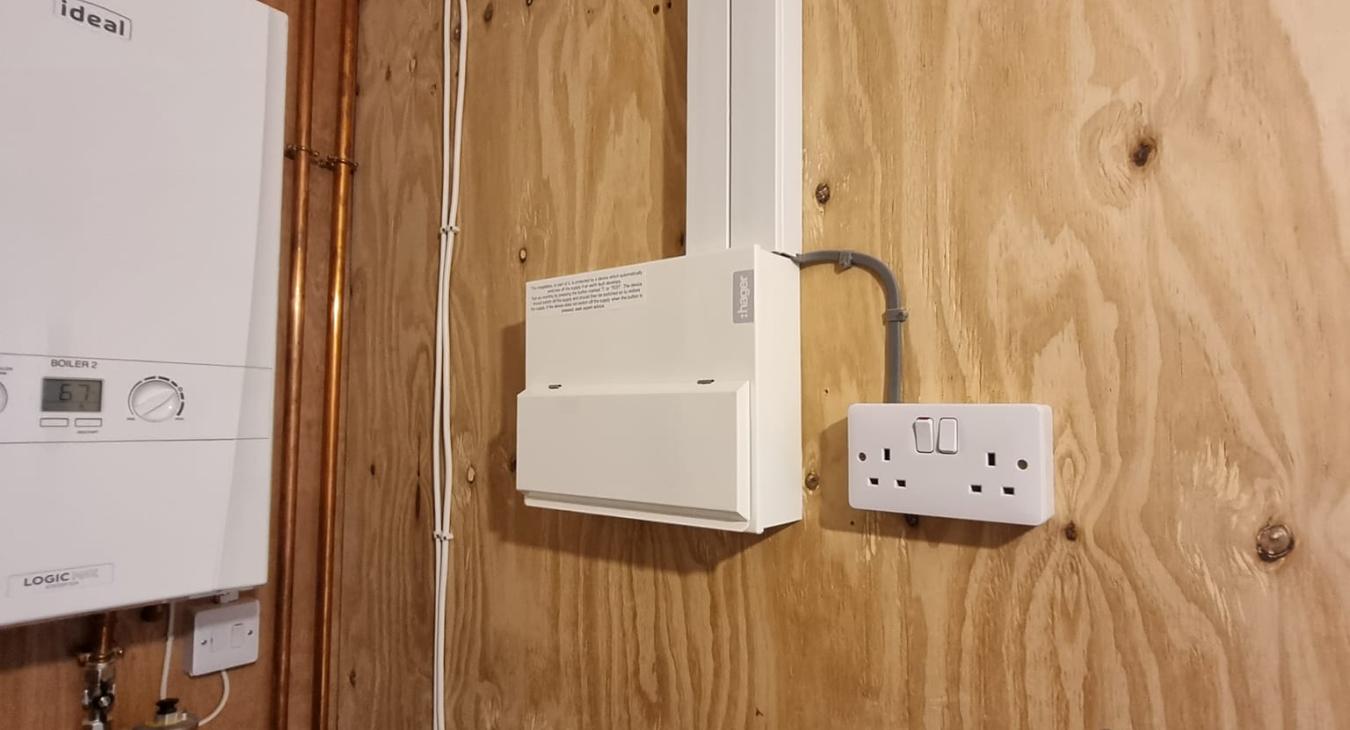
During the survey, we also assessed the existing electrical installation. The main consumer unit was located in the kitchen against an external wall, while the electricity meter was positioned outside the property. There was already a small consumer unit supplying the garage, which helped us determine the safest and most practical cable route.
Every one of these details influences the installation. Taking the time to assess the property properly allows us to recommend the right solution rather than relying on assumptions.
Why We Recommended a Dedicated Consumer Unit
After addressing the property, we recommended installing the charger on its own dedicated circuit, using an IP65 consumer unit complete with an RCBO and a Surge Protection Device (SPD).
This wasn’t an upsell— it was simply the most suitable approach for the installation.
An EV charger draws a continuous electrical load, so providing it with its own protected circuit improves safety, simplifies future maintenance, and ensures the installation complies with the latest edition of the BS 7671 Wiring Regulations.
By planning a consumer unit during the survey, we were able to design an installation that would be reliable for years to come, rather than trying to adapt the existing circuits.
Why the Customer Chose the Indra Smart PRO
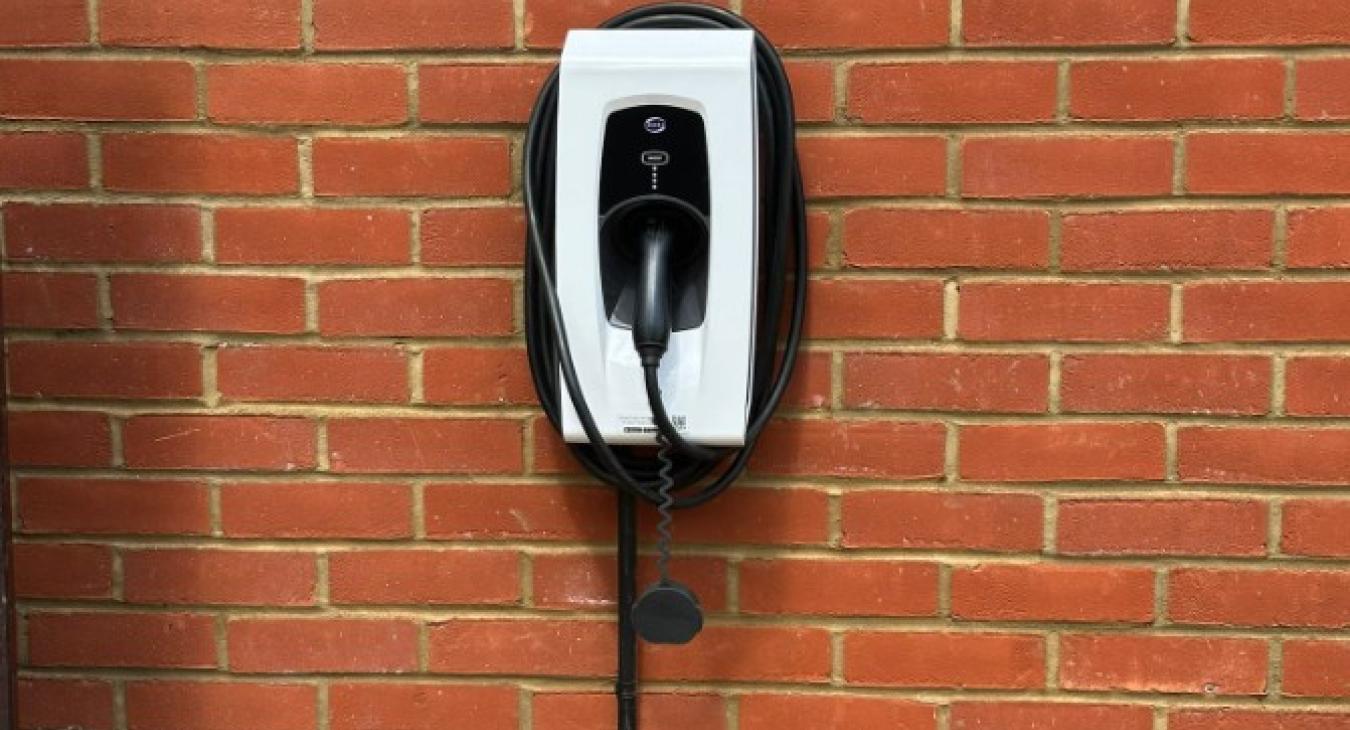
Once we’d discussed the available options, the homeowner decided the Inra Smart PRO was the best fit for their requirements.
It’s a charger that offers far more than basic charging functionality. Features include:
- Smart scheduling to make the most of off-peak electricity tariffs
- App-based monitoring and control
- Fast, reliable home charging
- A modern, compact design
- Compatibility with a wide range of electric vehicles
When paired with professional installation, it provides a straightforward, future-ready charging solution.
Behind Every EV Charger Is Careful Planning
One of the biggest misconceptions about EV charger installations is that they’re all the same.
In reality, every property has its own layout, electrical system, and practical considerations. On this project, we needed to plan around:
- The location of the existing consumer unit inside the kitchen
- The external electricity meter position
- The safest cable route to the garage
- The customer’s preferred charging location
- The existing electrical equipment is already installed within the garage
By considering these factors before work began, we were able to achieve a neat installation with minimal disruption while ensuring the charger was installed exactly where it would be most convenient to use.
What This Installation Included
For this job, we supplied and installed:
- An Indra Smart PRO tethered EV charger
- A dedicated IP65 consumer unit
- RCBO and Surge Protection Device (SPD)
- Approximately 25 metres of 6mm EV Ultra cable
- Full inspection, testing, and certification
- Charger commissioning and setup
- Guidance on using the smart charging features before leaving the site
We always take the time to commission every charger properly and help customers get connected to the app before we leave, so they can begin charging with confidence straight away.
Why Homeowners in Sandy Choose NRG Electrical
Whether we’re installing an EV charger, upgrading a consumer unit, or carrying out an Electrical Installation Condition Report (EICR), our approach is the same.
We don’t believe in one-size-fits-all installations.
Every recommendation is based on the individual property, the customer’s requirements, and what we believe is the safest and most practical solution.
As a NICEIC Approved Contractor and Which? Trusted Trader, we’re committed to delivering electrical work that meets current regulations while providing clear advice and professional workmanship from start to finish.
Many of our customers come to us because they want guidance they can trust—not just the cheapest quote or the quickest installation.
Thinking about installing an EV charger?
If you’re considering installing an EV charger at your home, the best place to start is with a professional survey.
A site visit allows us to assess your property’s electrical installation, recommend the most suitable charger, and provide an accurate quotation based on your home—not a generic package.
Whether your charger is going on a driveway, inside a garage, or on the side of your property, we’ll make sure the installation is safe, tidy, fully tested, and ready to use from day one.
Get in Touch
If you're looking for a trusted EV charger installer in Sandy, Bedford, or the surrounding Bedfordshire villages, we'd be happy to help.
📞 Call us: 01234 964905
🌐 Visit: NRG Electrical
From the initial survey through to commissioning your new charger, we'll make sure the process is straightforward, professional, and tailored to your home.